Gochujang Glazed Salmon (Korean Spicy Salmon, 35g Protein)
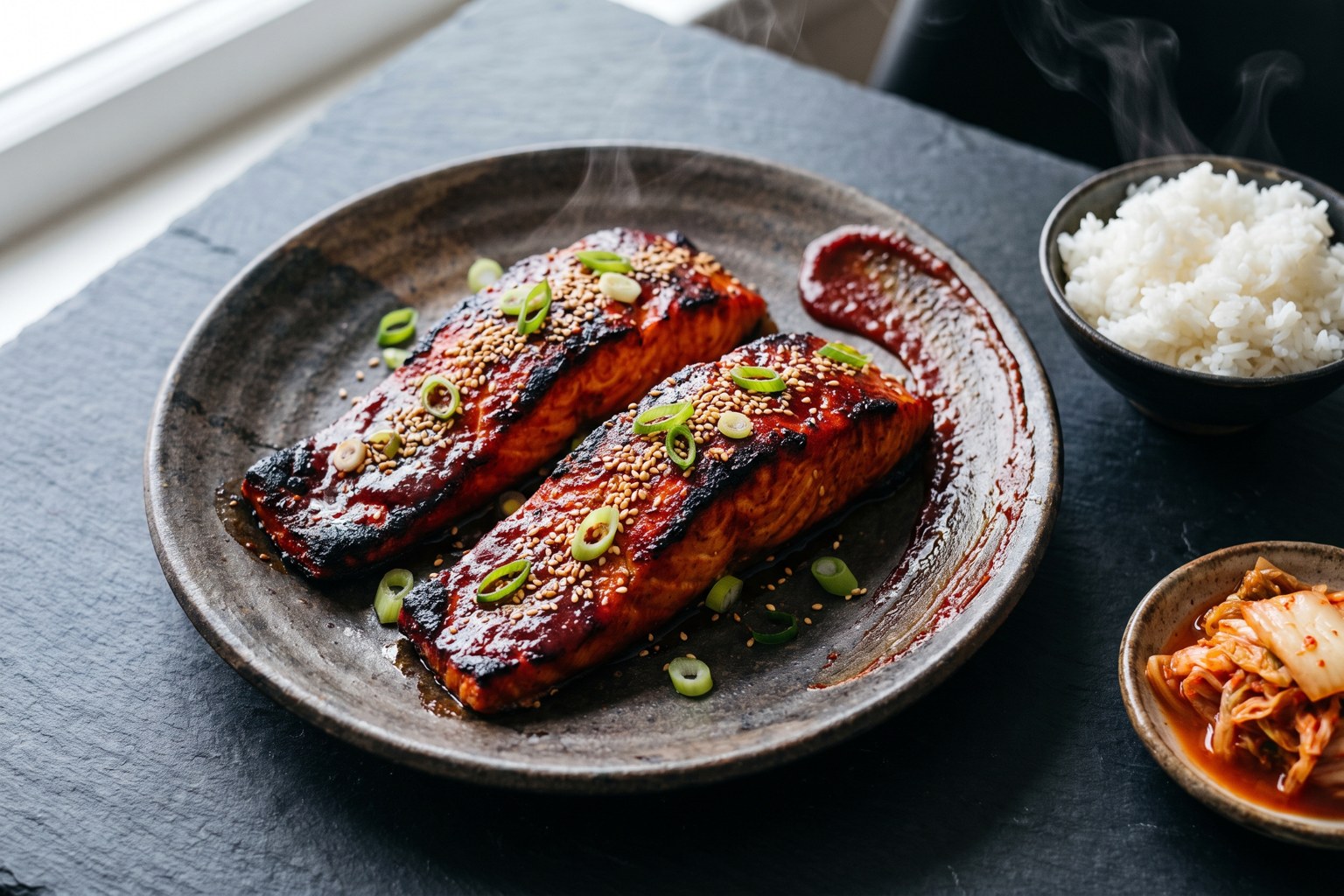
Gochujang glazed salmon is one tray, one small bowl of sauce and about 20 minutes, and it lands at 35g of protein per serving from a 6 oz fillet. The glaze is Korean red pepper paste loosened with honey, soy and vinegar, brushed on twice so the top goes sticky and a little charred while the inside stays soft.
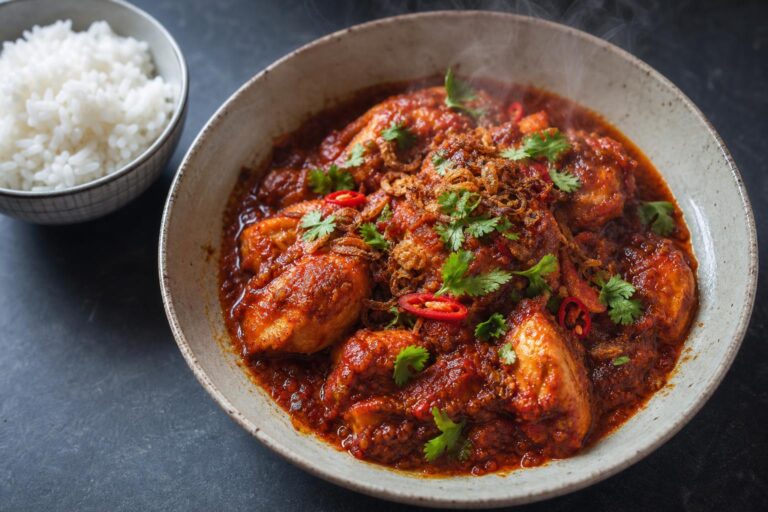
Gochujang is one of the most useful jars you can keep in the fridge for high-protein cooking because it does the job of three ingredients. It is salty, sweet, fermented and hot all at once, so a glaze built on it needs very little else. I use the same idea on chicken in these gochujang chicken thighs, but salmon takes to it even better because the fat in the fish softens the heat.
This is also a good recipe for people who are nervous about cooking fish. Roast, brush, broil, done. Hard to mess up as long as you stand by the oven for the last few minutes.
Why this works
The glaze goes on in two stages for a reason. Honey and gochujang both burn if they sit under a broiler for the whole cook, so the first coat roasts gently at 425F and gives the fish most of its cooking time. The second coat goes on right before the broiler, where it only needs a couple of minutes to bubble and catch at the edges. You get the caramelised top without a bitter, blackened crust.
Salmon is the easiest fish to overcook because it looks raw right up until it is dry. Pull it when the very centre of the thickest part still looks a shade translucent. The residual heat on the pan finishes it during the 2 minute rest. If you have a thermometer, 125F in the middle is where I stop. The USDA number is higher, cook to that if you prefer, but expect a firmer, drier fillet.
Ingredient notes
Salmon, four 6 oz fillets at roughly 1 inch thick. Thickness matters more than weight here because the timing is built around it. If your fillets are thin tail pieces, start checking at 6 minutes instead of 8. Skin on or off both work. Skin on protects the bottom from the pan and peels off easily after cooking if you do not want to eat it. Wild sockeye is leaner and slightly higher in protein, but it cooks faster and dries out sooner, so take a minute off.
Gochujang comes in tubs at any Asian grocer and most large US supermarkets now. Brands vary a lot in heat and sweetness. Chung Jung One and CJ Haechandle are both reliable middle-of-the-road choices. If yours is labelled hot or very hot, start with 2 tbsp and taste the glaze before you commit. There is no good substitute for gochujang, the fermented flavour is the point. Sriracha plus miso gets you somewhere in the neighbourhood but it is not the same dish.
Honey can be swapped for maple syrup or brown sugar without changing the method. Rice vinegar keeps the glaze from tasting flat and heavy, do not skip it. Lime juice works in a pinch.
Sesame oil is toasted sesame oil, the dark one. The light, untoasted kind adds nothing here.
Gochujang Glazed Salmon (Korean Spicy Salmon)
Ingredients
Method
- Heat the oven to 425F (220C) with a rack in the upper third. Line a sheet pan with foil or parchment. Pat the salmon dry, season with the salt and set it on the pan, skin side down if there is skin.
- In a small bowl, stir together the gochujang, honey, soy sauce, rice vinegar, sesame oil, garlic and ginger until smooth. It should be thick enough to cling to a spoon. If your gochujang is very stiff, loosen with a teaspoon of water.
- Spoon about two thirds of the glaze over the top and sides of the salmon and spread it with the back of the spoon. Keep the rest for later.
- Roast for 8 minutes. Pull the pan out, brush on the remaining glaze, then switch the oven to broil (grill) on high and cook another 2 to 4 minutes, until the glaze bubbles and chars at the edges. Watch it closely, the honey goes from dark to burnt fast.
- Check the thickest part. The salmon should flake with gentle pressure but still look slightly translucent in the very centre, about 125F (52C) on a thermometer. Rest 2 minutes on the pan.
- Scatter with sesame seeds and scallions and serve with rice and kimchi or a plain cucumber salad.
Tips and storage
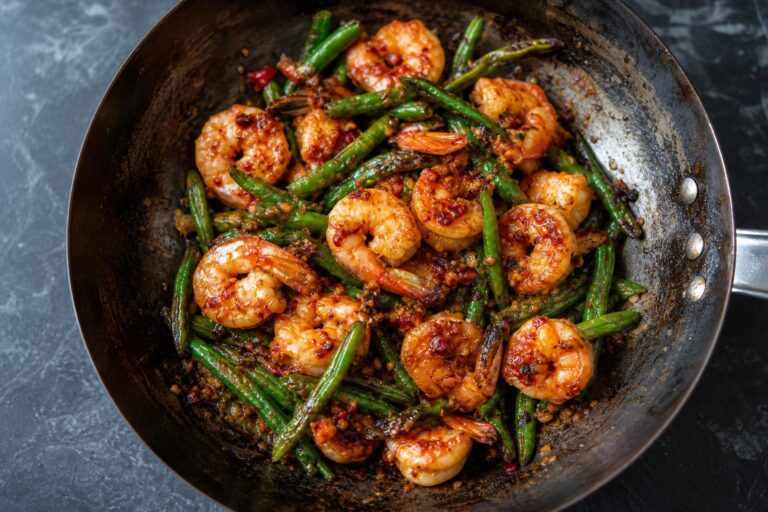
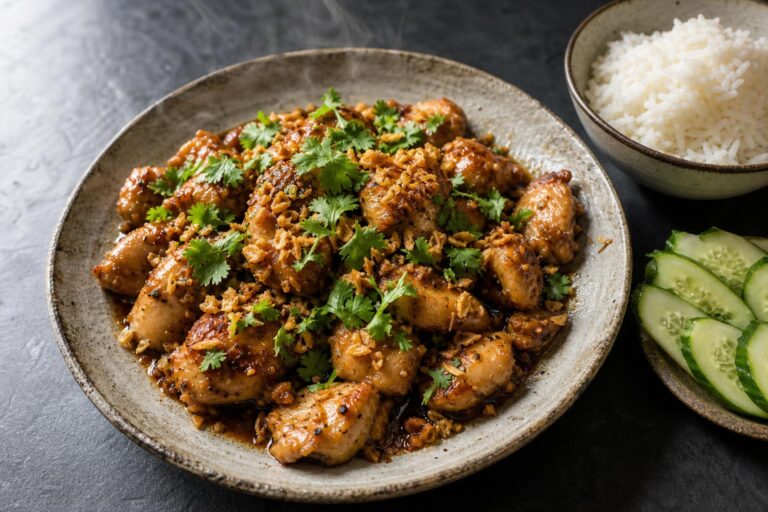
The glaze can be mixed up to a week ahead and kept in a jar in the fridge. I usually double it. It is just as good brushed on shrimp for the last minute of a stir fry or spooned over tofu, and it is the quickest way to make a bowl like this dubu kimchi feel like more of a meal.
For meal prep, cook the salmon as written, cool on the pan, then portion with rice and a handful of quick pickled cucumber. It keeps 3 days in the fridge. Reheat gently, half power in the microwave for a minute or so, or eat it cold flaked over rice, which I actually prefer. Reheating salmon hard is what makes it taste fishy.
If you like the sweet-savoury glaze on salmon but want something milder, miso glazed salmon uses the same roast-then-broil method with no chili at all.