Lean Twice Cooked Pork (Hui Guo Rou, 38g Protein)
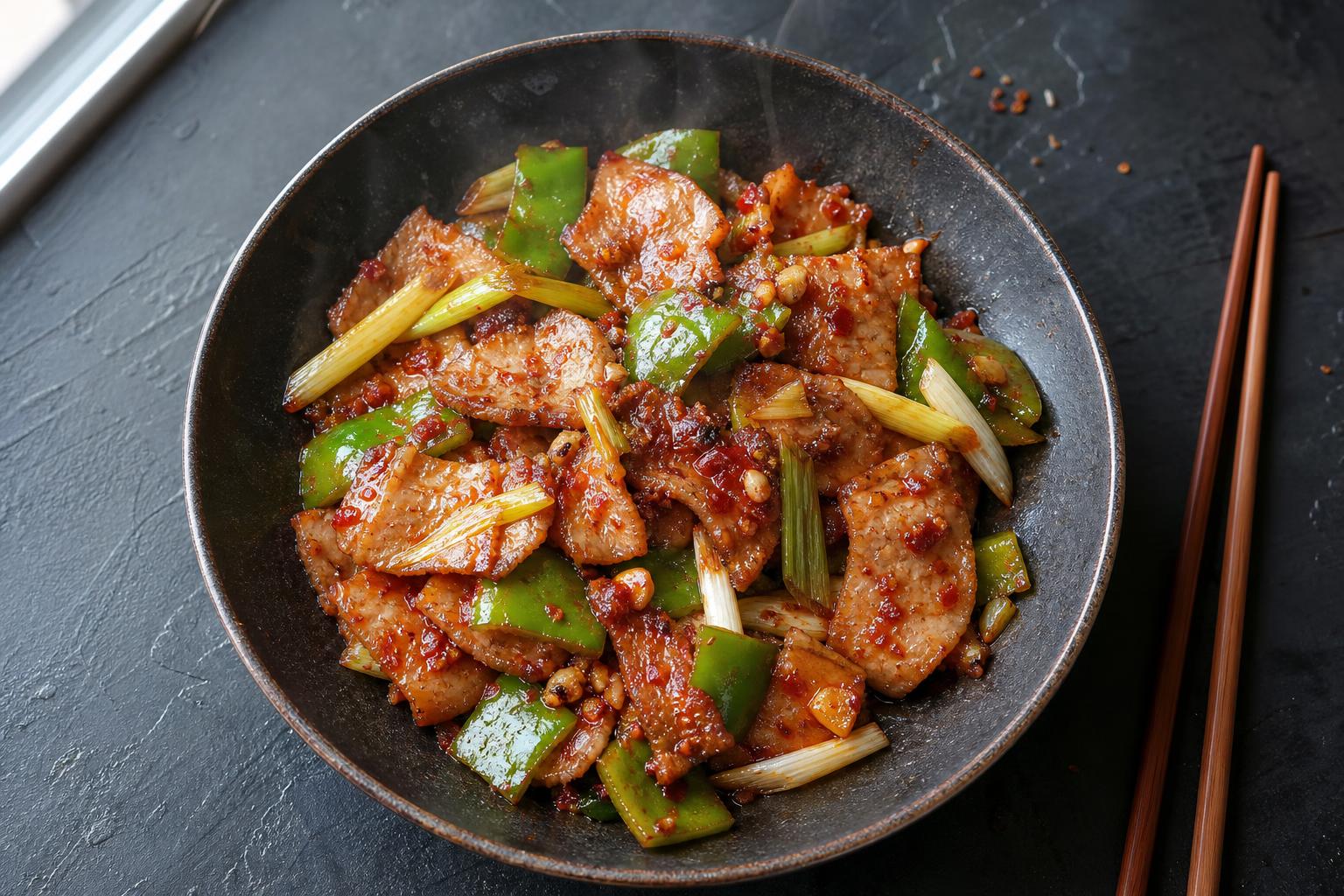
Twice cooked pork is the Sichuan dish that sold a lot of us on chili bean paste, and this leaner version keeps the flavor while pushing it to 38g of protein per serving. The trick is swapping the usual fatty pork belly for pork loin, then treating it gently so it stays tender. You still get the deep, savory heat of doubanjiang and the sweet snap of leeks, just with a lot less grease pooling at the bottom of the bowl.
The name means “return to the pot” pork. The meat is cooked once by poaching, then a second time in the wok. That two step method is the whole point, and it is also what makes the lean version work.
Why this works
Poaching the pork whole, then slicing it, gives you thin pieces that sear fast without overcooking. If you tried to stir fry raw loin strips they would turn to chalk in about a minute, because loin has almost no fat to protect it. Chilling the poached pork before slicing firms it up so you can cut it thin, and thin slices catch far more of the sauce. Doubanjiang is doing the heavy lifting on flavor, so let it fry in the oil for a full 30 seconds until the oil goes red. That step, called frying out the paste, is the difference between a sauce that tastes raw and one that tastes like a restaurant made it.
Ingredient notes
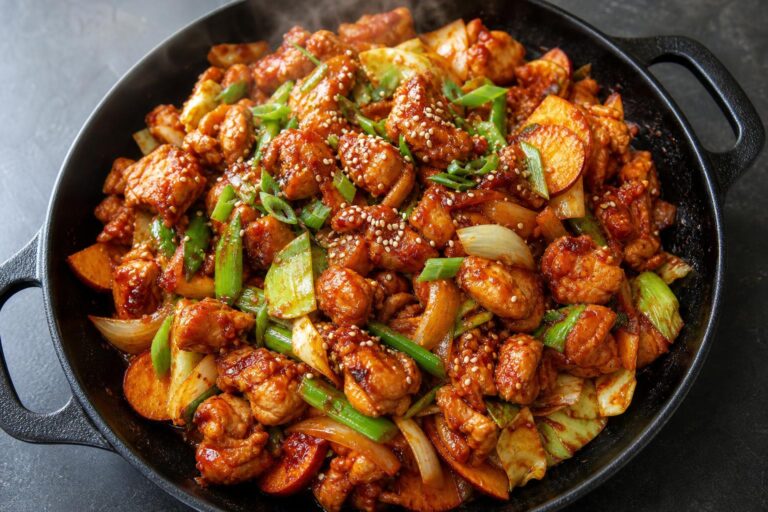
Doubanjiang is the fermented chili bean paste from Sichuan, and Pixian is the benchmark brand. It is salty and spicy, so you rarely need extra salt. Sweet bean sauce (tianmianjiang) rounds out the edge, but hoisin is a fine stand in if that is what you have. Traditional recipes use Chinese leeks, which are flatter and stronger than the leeks at a US grocery store, but regular leeks work well here. If you cannot find them, three cups of sliced green cabbage gives you a similar sweet crunch. This dish is a cousin to my mapo tofu with extra lean pork, and if you like the deep savory heat you will probably also like Korean spicy pork.
Lean Twice Cooked Pork (Hui Guo Rou)
Ingredients
Method
-
Poach the pork. Put the whole piece of pork loin in a pot and cover with cold water. Add the ginger slices, the scallion, and 1 tbsp of the Shaoxing wine. Bring to a gentle simmer and cook 15 to 18 minutes, until just cooked through. Keep it at a lazy simmer, not a hard boil, or the lean meat dries out.
-
Lift the pork out and let it cool. For easier slicing, chill it in the freezer for about 15 minutes to firm up. Slice as thin as you can manage, around 1/8 inch, cutting across the grain.
-
Mix the sauce. Stir together the doubanjiang, sweet bean sauce, chopped black beans if using, sugar, soy sauce, and the remaining 1 tbsp Shaoxing in a small bowl.
-
Heat the oil in a wok or wide skillet over medium high. Lay the pork slices in a single layer and let them sear undisturbed for about 2 minutes, until the edges curl and turn light golden. Push the pork to one side of the pan.
-
Add the garlic and julienned ginger to the oil and cook 20 seconds. Add the sauce and fry it 30 seconds, until it smells deep and the oil turns red.
-
Add the leeks and bell pepper. Stir fry everything together 2 to 3 minutes, until the vegetables are crisp tender but still bright. Taste, and add a pinch of sugar if your bean paste is very salty. Serve hot over rice.
Tips and storage
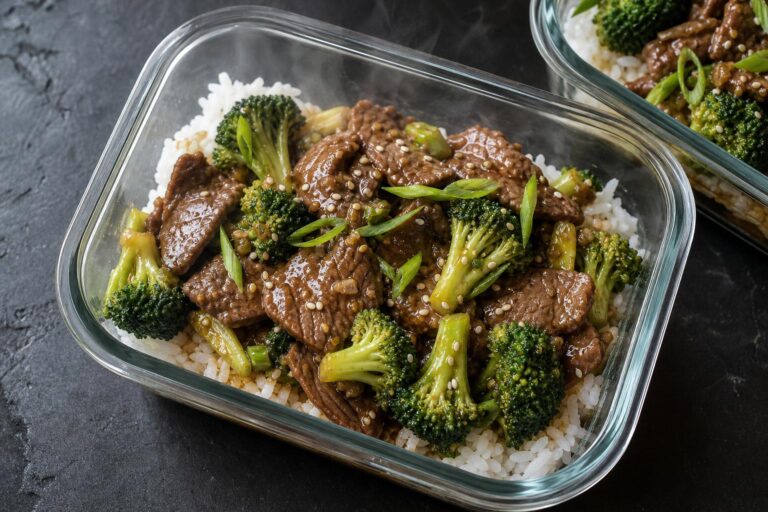
You can poach the pork a day ahead and keep it whole in the fridge, which actually makes it easier to slice thin straight from cold. Leftovers keep well for 3 to 4 days in a sealed container, and this reheats better than most stir fries because the lean pork does not go rubbery the way belly can. Warm it in a hot pan for a minute rather than the microwave if you can, to bring the sauce back to life. For meal prep, portion it over rice with a little extra veg on the side. If you want another make ahead pork option, my char siu pork tenderloin slices cold for lunches all week.
Craving another lean Chinese pork stir fry? Try my moo shu pork, which uses the same thin-sliced loin trick.